Achieving Financial Independence: Your Roadmap to Freedom and Security
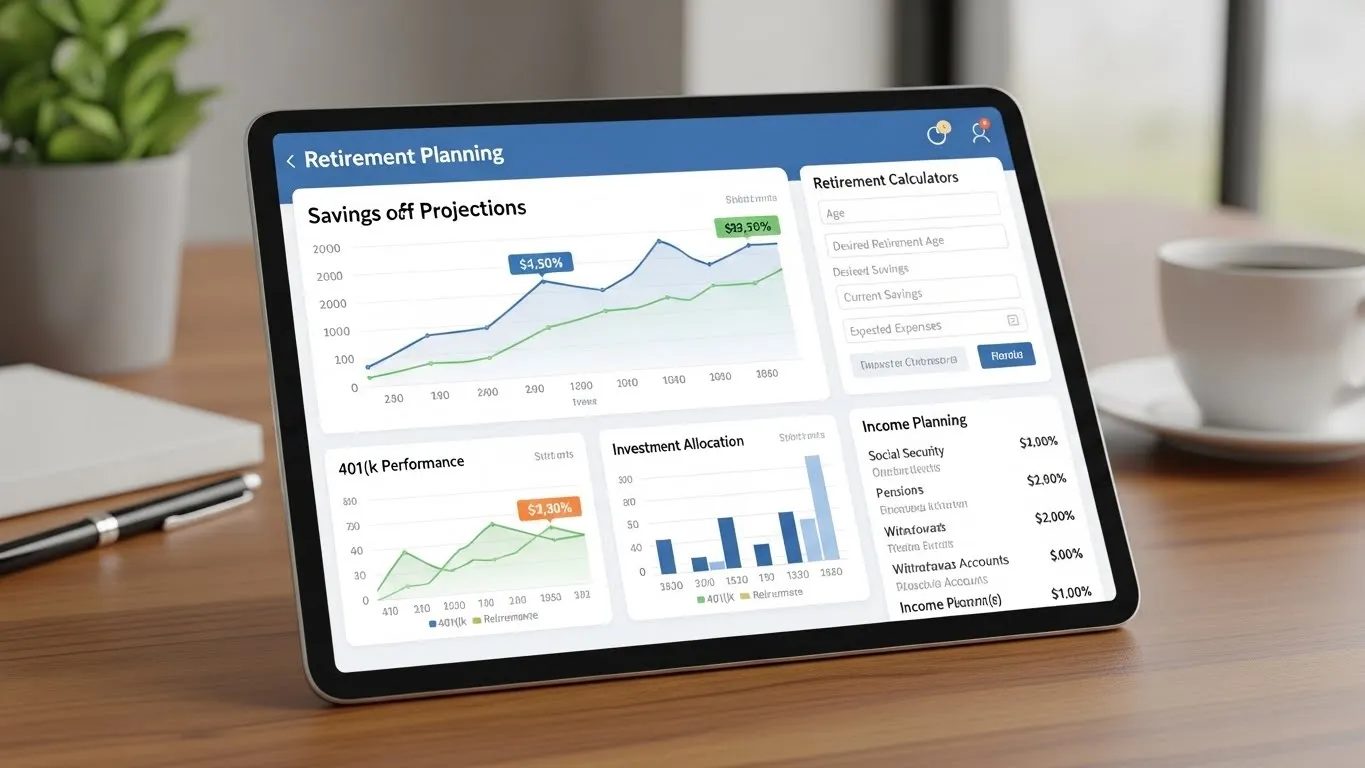
Achieving financial independence is more than just having a large bank account; it's about gaining the freedom to live life on your own terms, free from the constraints of a traditional paycheck. This comprehensive guide provides a clear roadmap to help you navigate the journey toward financial freedom and lasting security. By understanding core principles and implementing proven strategies, you can build a future where your money works for you, not the other way around.
Key Points for Achieving Financial Independence:
- Master Your Budget: Gain control over your income and expenses.
- Eliminate High-Interest Debt: Free up capital for investments.
- Invest Strategically: Grow your wealth through diversified portfolios.
- Leverage Real Estate: Build passive income and asset appreciation.
- Diversify Income Streams: Create multiple sources of revenue.
Understanding Financial Independence: Your Path to Freedom
Financial independence is the state where you have enough passive income to cover your living expenses, meaning you no longer need to work for money. This allows for greater autonomy, enabling you to pursue passions, spend more time with loved ones, or retire early. It's a powerful goal that shifts your focus from earning a living to designing a life. The journey to achieving financial independence requires discipline, strategic planning, and consistent effort.
This pursuit isn't just about accumulating wealth; it's about building a resilient financial ecosystem. It offers a profound sense of security, knowing that unexpected life events won't derail your stability. Embracing this mindset is the first critical step on your roadmap to freedom.
The Foundation: Budgeting and Debt Management for Financial Security
The bedrock of achieving financial independence begins with a solid understanding of your finances. Effective budgeting is crucial, allowing you to track where your money goes and identify areas for optimization. Start by creating a detailed budget that outlines all your income and expenses. This clarity empowers you to make informed decisions about your spending and saving habits.
Simultaneously, aggressively tackling high-interest debt is paramount. Debts like credit card balances or personal loans can significantly hinder your progress towards financial freedom. Prioritize paying these off using strategies like the debt snowball or avalanche method. Reducing debt frees up more of your income, which can then be redirected towards savings and investments, accelerating your journey to financial security. For more insights into managing personal finances, readers can explore related articles on budgeting best practices.
Building Wealth: Strategic Savings and Investment Growth
Once your budget is in order and high-interest debt is under control, the next vital step on your roadmap is strategic savings and investment. Building a robust emergency fund, typically 3-6 months of living expenses, provides a critical safety net. Beyond that, consistently saving a significant portion of your income, ideally 20% or more, is essential for rapid wealth accumulation.
Investing your savings wisely is where your money truly starts to work for you. Diversifying your investment portfolio across various asset classes like stocks, bonds, and mutual funds can mitigate risk and enhance returns. Consider utilizing tax-advantaged accounts such as 401(k)s and IRAs to maximize your growth potential. A unique insight for early financial independence seekers is to front-load investments heavily in their younger years, leveraging the power of compound interest over a longer horizon. This aggressive early investment strategy, often overlooked, can dramatically shorten the timeline to financial freedom.
Leveraging Real Estate for Sustained Financial Freedom
Real estate investment strategies offer a powerful avenue for achieving financial independence, providing both passive income and significant asset appreciation. Investing in rental properties, for example, can generate consistent cash flow that helps cover living expenses. Strategies like house hacking, where you live in one unit of a multi-unit property and rent out the others, can drastically reduce your housing costs while building equity.
Another effective approach is investing in Real Estate Investment Trusts (REITs), which allow you to invest in large-scale real estate portfolios without direct property ownership. The current real estate market, as highlighted in the "Global Real Estate Outlook 2025" by PwC, suggests continued growth in specific residential and industrial sectors, making strategic investments timely. Understanding local market dynamics and long-term trends is key to successful real estate ventures. For further exploration of property investment, readers can find valuable resources on real estate market analysis.
Diversifying Income Streams: Beyond the Traditional 9-to-5
Relying solely on a single income source can be risky. Diversifying your income streams is a crucial strategy for accelerating your path to financial independence and enhancing your overall security. This involves exploring various ways to earn money beyond your primary job, often referred to as side hustles or passive income ventures. Examples include freelancing, starting an online business, creating digital products, or even investing in dividend stocks.
A differentiated approach to income diversification involves focusing on scalable digital assets or niche service offerings that require minimal ongoing time commitment once established. For instance, developing an online course or an specialized consulting service can provide significant returns for upfront effort. The "Future of Work Report 2024" by the World Economic Forum emphasizes the growing opportunities in the gig economy and digital entrepreneurship, underscoring the potential for individuals to build multiple revenue channels. This proactive approach significantly strengthens your financial position.
Protecting Your Future: Insurance and Estate Planning
While building wealth is essential, protecting it is equally important for achieving financial independence. Establishing a robust emergency fund, as mentioned earlier, is your first line of defense against unforeseen circumstances. Beyond that, adequate insurance coverage is critical. This includes health insurance, disability insurance, and potentially life insurance, depending on your personal situation and dependents. These policies act as safeguards, preventing unexpected events from derailing your financial progress.
Furthermore, basic estate planning ensures your assets are distributed according to your wishes and provides peace of mind. This doesn't necessarily mean complex trusts; a simple will and designating beneficiaries for your accounts are excellent starting points. Taking these protective measures ensures that your hard-earned financial freedom is resilient against life's uncertainties.
The Mindset of Financial Independence: Discipline and Continuous Learning
Achieving financial independence isn't just about numbers and strategies; it's deeply rooted in mindset. It requires discipline, patience, and a commitment to continuous learning. Cultivating a frugal yet abundant mindset allows you to make conscious spending choices without feeling deprived. Understanding that every dollar saved and invested contributes to your freedom empowers you to stay on track.
Embrace a growth mindset, constantly seeking new knowledge about personal finance, investing, and market trends. The "Behavioral Economics of Saving" study published by the National Bureau of Economic Research in 2023 highlights the profound impact of psychological factors on financial decision-making. Developing strong financial habits and maintaining a long-term perspective are crucial for navigating challenges and staying motivated on your journey to financial freedom.
Frequently Asked Questions (FAQ)
What is the average timeline for achieving financial independence?
The timeline for achieving financial independence varies greatly depending on individual income, expenses, savings rate, and investment returns. While some aim for "FIRE" (Financial Independence, Retire Early) in 10-15 years by saving 50-70% of their income, a more typical path might take 20-30 years with a 15-20% savings rate. Consistency and aggressive investment are key factors in accelerating this timeline.
How much money do I need to be financially independent?
The amount needed for financial independence is often calculated using the "25x rule," meaning you need 25 times your annual living expenses. For example, if your annual expenses are $50,000, you would need $1,250,000 invested. This figure assumes a safe withdrawal rate of 4% from your investments, which is a commonly cited guideline for sustainable passive income.
Is real estate essential for financial independence?
While not strictly essential, real estate can be a highly effective tool for accelerating financial independence. It offers potential for both passive income through rentals and long-term capital appreciation. Real estate can also provide diversification to an investment portfolio. However, it requires careful research, management, and can