Early Retirement Planning: How to Achieve Financial Freedom Sooner
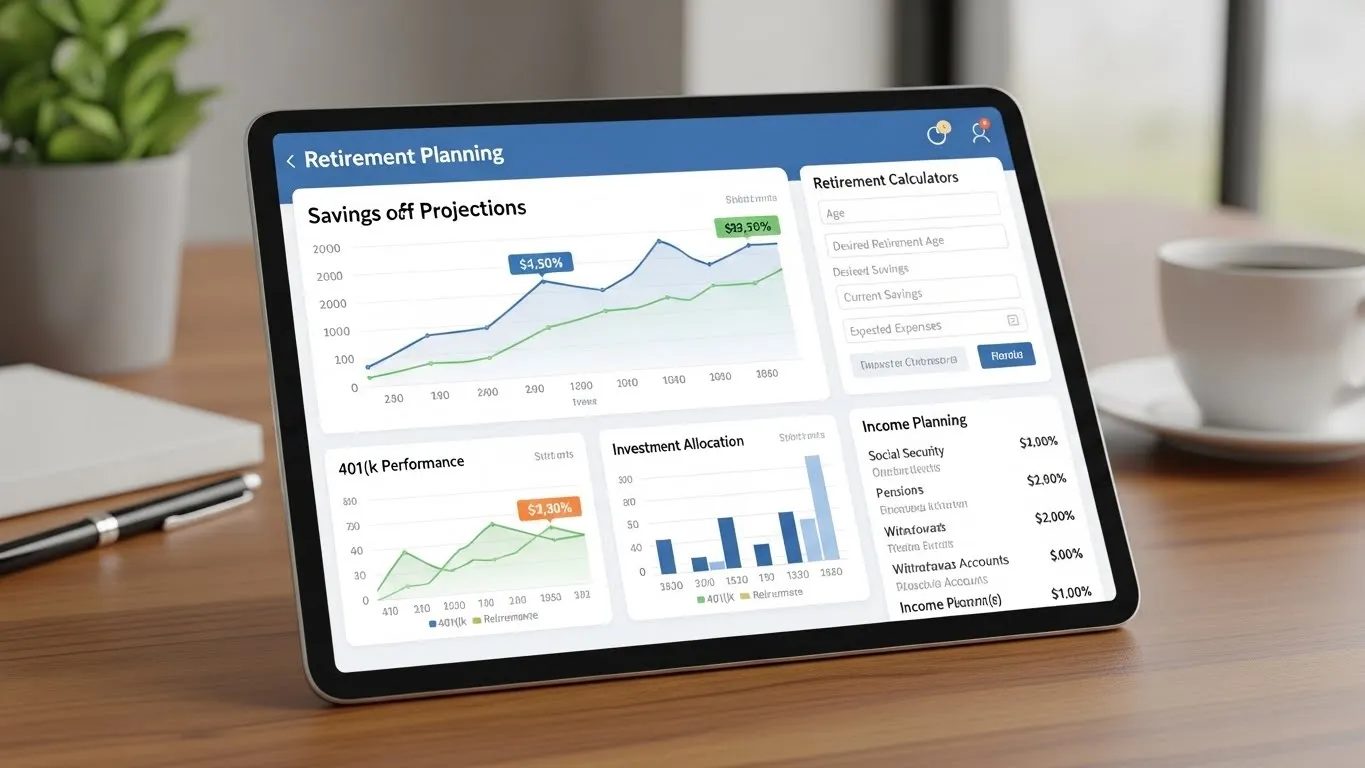
Early Retirement Planning: Your Path to Financial Freedom Sooner
The dream of early retirement planning isn't just for the ultra-wealthy; it's an achievable goal for anyone willing to commit to strategic financial decisions. Moving beyond the traditional retirement age offers unparalleled freedom to pursue passions, travel, or simply enjoy life on your own terms. This comprehensive guide will illuminate the crucial steps and insights needed to accelerate your journey toward financial independence, transforming the abstract concept of retiring early into a concrete, actionable plan. It's about more than just saving money; it’s about designing a life where work is optional.
Key Points for Early Retirement Planning:
- Define Your "Why": Clearly articulate your motivations and what early retirement means to you.
- Boost Your Savings Rate: Aggressively save a significant portion of your income, often 50% or more.
- Optimize Investments: Utilize low-cost index funds and a well-diversified portfolio to maximize growth.
- Manage Expenses: Implement intentional spending and budgeting to reduce unnecessary outflows.
- Increase Income Streams: Explore side hustles, career growth, or passive income opportunities.
- Plan for Healthcare: Factor in non-employer-provided health insurance costs, a critical early retirement consideration.
Understanding the Fundamentals of Early Retirement Planning
Early retirement planning is fundamentally about achieving financial independence, a state where your passive income covers your living expenses. This often involves embracing principles of the Financial Independence, Retire Early (FIRE) movement. The core idea is simple: the more you save and invest, the faster your money grows and starts working for you, significantly shortening your working career. This strategy isn't about deprivation but about making conscious choices today for a richer, freer tomorrow. It demands discipline, but the rewards are profound.
Many believe that early retirement requires extreme frugality, but that's not always the case. While a high savings rate is crucial, it's also about optimizing your income and investment returns. A common rule of thumb is the "4% Rule," which suggests you can safely withdraw 4% of your invested portfolio each year without running out of money. This means you generally need to accumulate 25 times your annual expenses to achieve financial independence. Understanding this target is the first step in setting your early retirement planning trajectory.
Crafting a Robust Early Retirement Strategy
Achieving financial freedom sooner requires a multi-faceted approach, combining aggressive savings with smart investment choices and mindful spending. Let's explore the key components that will propel your journey.
Maximizing Your Savings Rate for Financial Independence
The most impactful lever in early retirement planning is your savings rate – the percentage of your take-home pay that you save and invest. While a traditional retirement plan might suggest saving 10-15%, those aiming for early retirement often target 50% or even higher. This aggressive approach dramatically reduces the time it takes for your invested capital to grow sufficiently. Consider implementing strategies like automating your savings to ensure a consistent contribution before you even see the money in your checking account.
Beyond simple automation, look for ways to boost your savings without feeling overly constrained. This might involve setting up a "reverse budget" where you save a set amount first, then spend what's left, rather than saving what's left over. Focusing on increasing your income while keeping expenses stable is another powerful way to naturally elevate your savings rate. Remember, every dollar saved is a dollar that works harder for your future freedom.
Strategic Investment Approaches for Accelerating Wealth Accumulation
Once you've increased your savings, the next critical step in early retirement planning is investing wisely. For most early retirees, a diversified portfolio primarily composed of low-cost index funds or Exchange Traded Funds (ETFs) is highly effective. These funds offer broad market exposure and historically strong returns without the need for active stock picking. A 2023 study by Vanguard underscored the significant advantage of low-cost index funds in long-term wealth accumulation, making them a cornerstone for early retirement aspirants.
Consider balancing your portfolio between domestic and international equities, and potentially a small allocation to bonds, depending on your risk tolerance. Rebalancing periodically helps maintain your desired asset allocation and keeps your investments aligned with your financial independence goals. For example, if equities have performed exceptionally well, you might trim them slightly to reinvest in bonds, bringing your portfolio back to its target percentages. This proactive approach ensures your investments are always working optimally.
Differentiated Insight: Exploring Coast FIRE and Barista FIRE
While traditional FIRE aims for complete cessation of work, many find appeal in Coast FIRE or Barista FIRE as nuanced paths to early retirement planning. Coast FIRE involves saving aggressively early in your career to reach a point where your investments will grow sufficiently to cover traditional retirement expenses without any further contributions. You then "coast" through your career, working perhaps part-time or in a less stressful role, knowing your retirement nest egg is self-sufficient. This offers a significant reduction in financial pressure without requiring a full halt to work.
Barista FIRE takes this a step further. You save enough to cover a significant portion, but not all, of your living expenses in retirement. You then supplement this income with a part-time job that offers benefits, often something flexible and enjoyable, like working at a coffee shop (hence "Barista"). This hybrid approach offers a smoother transition, allowing you to gradually step away from full-time work while maintaining some income and access to employer-sponsored healthcare, a critical consideration often overlooked in initial early retirement planning.
Mastering Expense Management and Intentional Spending
Reducing your expenses isn't about living a miserable life; it's about intelligent spending that aligns with your values. Identify your "money leaks" – those recurring expenses that offer little value. Could you optimize your housing, transportation, or food budget? According to a 2024 report by Fidelity Investments, even a 5% increase in your savings rate, often achieved through expense optimization, can significantly accelerate your retirement timeline.
Think of budgeting not as restriction, but as a tool for intentional spending. Every dollar saved can be invested and put to work for your future. This might mean cooking at home more often, questioning subscription services, or seeking out lower-cost alternatives for entertainment. Focusing on major expenses like housing and transportation can have the most significant impact on your overall spending and, consequently, your ability to reach financial freedom sooner.
To help manage these expenses effectively, readers can explore strategies like those discussed in an article on mastering budgeting for financial success.
Diversifying Your Income Streams for Faster Growth
Beyond your primary job, consider how you can diversify your income. Side hustles, freelancing, or even starting a small business can significantly boost your savings rate and inject more capital into your investment portfolio. The additional income from these ventures can be exclusively dedicated to your early retirement planning fund, creating a powerful accelerator.
Exploring various passive income streams is also vital. This could include dividend-paying stocks, real estate investments (like rental properties or REITs), or even royalties from creative work. While building these streams takes effort initially, they can eventually provide consistent income that supports your lifestyle without active work. For a deeper dive into these options, read about understanding passive income streams.
Crucial Considerations for Your Early Retirement Plan
Beyond the core financial strategies, there are several key areas that demand careful attention during your early retirement planning. Overlooking these can derail even the most well-laid plans.
Navigating Healthcare Costs in Early Retirement
One of the biggest concerns for early retirees is healthcare. Without employer-sponsored insurance, you'll need to secure coverage independently. Options include the Affordable Care Act (ACA) marketplace, COBRA (a temporary option), or private insurance plans. Budgeting for these costs is paramount, as they can be substantial. Data from the Economic Policy Institute in early 2025 highlighted that healthcare costs remain a significant, often underestimated, factor in early retirement budgeting. Planning for this expense should begin well before you leave your job.
Long-Term Care and Estate Planning
While early retirement focuses on the near-term future, it's also wise to consider long-term care insurance and update your estate plan. These aspects ensure that your wishes are honored and your loved ones are protected, regardless of what the future holds. A robust estate plan provides peace of mind, knowing your assets are distributed as you intend.
Tax Implications of Early Withdrawals
Accessing retirement funds before age 59½ typically incurs penalties and taxes. However, there are strategies like the "Rule of 55" (for 401k/403b plans if you leave your employer at or after age 55), Roth IRA conversion ladders, and SEPP (Substantially Equal Periodic Payments) that can help you access funds without penalty. Consult a financial advisor to understand the best approach for your specific situation to optimize your early retirement planning for tax efficiency.
Building a Resilient, Diversified Investment Portfolio
The importance of a diversified investment portfolio cannot be overstated, especially when you're relying on it to fund your early retirement planning. Spreading your investments across different asset classes, industries, and geographies mitigates risk and enhances potential returns. This means not putting all your eggs in one basket, but rather building a robust foundation. For a comprehensive look at how to structure your assets, explore various diversification strategies.
A resilient portfolio should be able to withstand market fluctuations, providing steady growth and income over the decades of your early retirement. Regularly reviewing and rebalancing your portfolio ensures it remains aligned with your long-term goals and risk tolerance. This proactive management is a hallmark of successful early retirees.
FAQ: Your Questions About Early Retirement Planning Answered
Q1: What is the typical savings rate needed for early retirement?
A1: While there's no single magic number, most individuals aiming for early retirement planning target a savings rate of 50% or more of their after-tax income. The higher your savings rate, the faster you will reach financial independence. For instance, a 50% savings rate can shorten your working career to about 17 years, assuming standard market returns, compared to 40+ years for a 10% rate. This aggressive saving is the primary driver of accelerated retirement.
Q2: How do I calculate my early retirement number?
A2: Your early retirement number is typically calculated using the "25x Rule." This means you need to accumulate 25 times your estimated annual expenses in your investment portfolio. For example, if you anticipate needing $40,000 per year in retirement, your target early retirement number would be $1,000,000 ($40,000 x 25). This number is based on the 4% rule, suggesting a safe annual withdrawal rate from your portfolio.
Q3: What are the biggest challenges in achieving early retirement?
A3: The biggest challenges in early retirement planning often include maintaining a high savings rate consistently, managing unexpected healthcare costs before Medicare eligibility, and navigating potential market downturns during the accumulation or withdrawal phases. Additionally, the psychological shift from working to not working, and finding fulfilling ways to spend your time, can be a significant adjustment that many underestimate.
Q4: Can I retire early if I don't have a high income?
A4: Absolutely. While a high income can accelerate the process, early retirement is more about your savings rate than your absolute income. Someone earning $50,000 and saving $25,000 (50% savings rate) will likely reach early retirement faster than someone earning $100,000 and saving $20,000 (20% savings rate). Focus on increasing the gap between your income and expenses, regardless of your starting salary.
Take the First Step Towards Financial Freedom
Embracing early retirement planning is a powerful decision that puts you in control of your future. It requires dedication, strategic thinking, and consistent action, but the payoff of financial freedom is immeasurable. Start today by assessing your current financial situation, defining your early retirement vision, and implementing the actionable strategies outlined in this guide.
Don't let the idea of early retirement remain a distant dream. With careful planning, a high savings rate, smart investments, and thoughtful expense management, you can indeed achieve financial independence sooner than you ever imagined. Share your initial early retirement planning goals in the comments below or subscribe to our newsletter for more tips on accelerating your journey to freedom.
Extended Reading Suggestions:
- Strategies for Boosting Your Savings Rate
- Advanced Investment Tactics for Long-Term Growth
- Understanding and Maximizing Passive Income Streams