Personalized Financial Planning: Building Your Wealth Roadmap
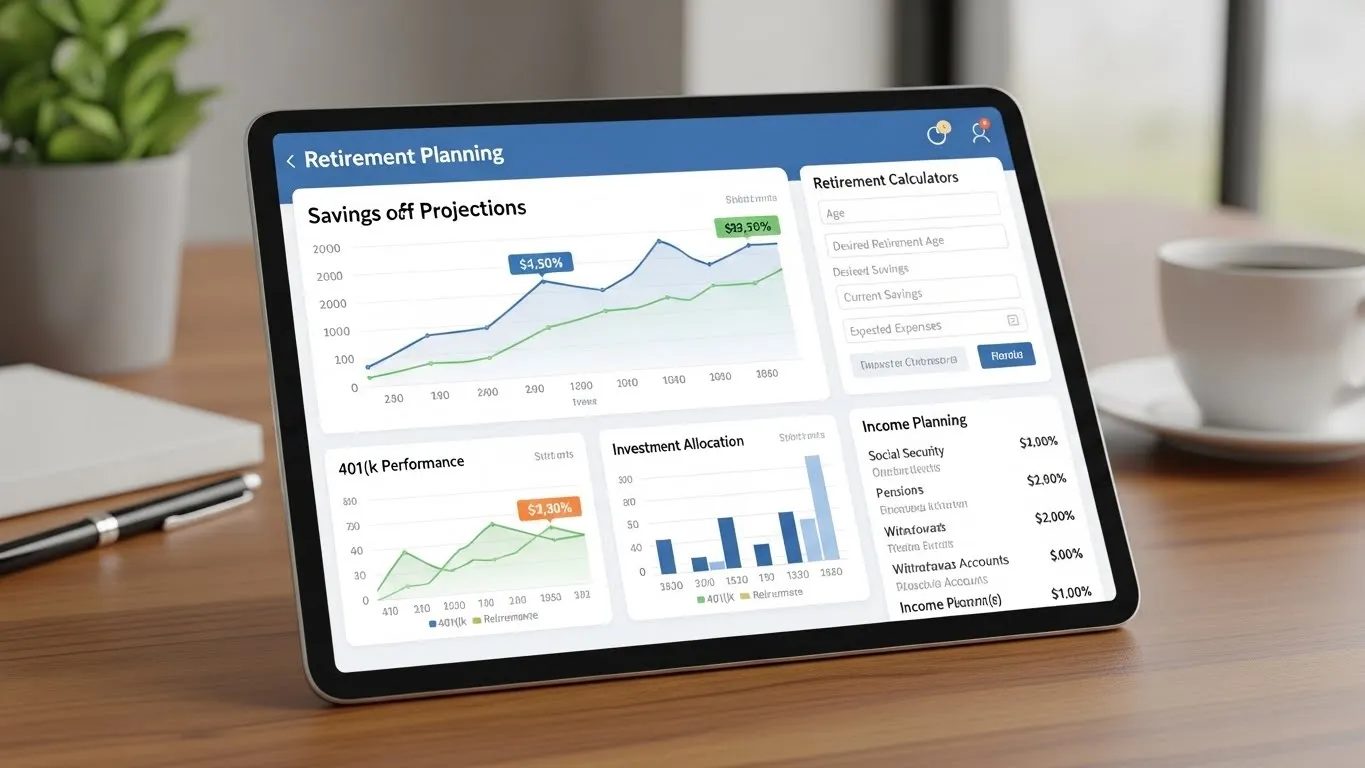
Personalized Financial Planning: Building Your Wealth Roadmap
Embarking on a journey towards financial security and prosperity is a deeply personal endeavor. While general financial advice abounds, true wealth building hinges on a personalized financial plan. This tailored roadmap considers your unique circumstances, goals, risk tolerance, and aspirations. For those navigating the dynamic world of cryptocurrency and digital assets, a customized strategy is not just beneficial—it's essential. This guide will illuminate the path to building your personalized financial plan, ensuring your wealth roadmap is robust and aligned with your future.
Key Points
- Goal-Oriented Approach: Defining clear, measurable financial objectives.
- Risk Assessment: Understanding your comfort level with financial volatility, especially in crypto.
- Asset Allocation: Strategically distributing investments across diverse assets.
- Regular Review: Adapting your plan to life changes and market shifts.
- Professional Guidance: Leveraging expertise for optimal decision-making.
Understanding the Pillars of Personalized Financial Planning
A personalized financial plan acts as your compass in the often-complex financial landscape. It's more than just saving money; it's about making your money work for you, strategically and intelligently. This approach recognizes that no two individuals are alike, and therefore, their financial strategies shouldn't be either.
Defining Your Financial Goals: The Foundation of Your Roadmap
The first and most crucial step in building any financial plan is to clearly define your financial goals. What do you want to achieve? Are you aiming for early retirement, a down payment on a property, funding your children's education, or achieving financial independence through digital assets?
- Short-Term Goals (1-3 years): These might include building an emergency fund, paying off high-interest debt, or saving for a significant purchase like a new car.
- Medium-Term Goals (3-10 years): This could involve saving for a down payment on a house, investing in a business venture, or starting to accumulate a significant portfolio of digital assets.
- Long-Term Goals (10+ years): These are often the most impactful, such as retirement planning, generational wealth transfer, or achieving significant financial freedom.
For each goal, it's vital to make it SMART: Specific, Measurable, Achievable, Relevant, and Time-bound. For instance, instead of "save for retirement," a SMART goal might be "accumulate $1 million in a diversified portfolio, including 20% in stable cryptocurrencies for income generation, by age 60."
Assessing Your Risk Tolerance: Navigating Volatility
Understanding your risk tolerance is paramount, especially when cryptocurrency and digital assets are part of your investment strategy. These markets can be highly volatile, offering significant growth potential but also carrying substantial risk.
A thorough risk assessment helps determine how much volatility you can stomach without losing sleep or making impulsive decisions. This typically involves answering a series of questions about your financial situation, investment experience, and emotional response to market fluctuations.
- Conservative Investors: Prefer lower risk and potentially lower returns. They might allocate a smaller percentage of their portfolio to volatile assets like emerging cryptocurrencies.
- Moderate Investors: Seek a balance between risk and return, comfortable with some market swings. They might allocate a moderate portion to digital assets.
- Aggressive Investors: Are willing to accept higher risk for the potential of higher rewards. They may allocate a larger percentage to speculative digital assets.
For example, an aggressive investor might hold a significant portion of their portfolio in altcoins with high growth potential, whereas a conservative investor might stick to Bitcoin and Ethereum, with a focus on stablecoins for a portion of their digital asset holdings.
Understanding Your Current Financial Situation
Before charting a course, you need to know your starting point. This involves a candid assessment of your current income, expenses, assets, and liabilities.
- Income: All sources of money coming in.
- Expenses: All money going out. Tracking this reveals where your money is going and where you can potentially save.
- Assets: What you own, including cash, savings, investments (stocks, bonds, real estate, and digital assets like Bitcoin or Ethereum), and valuable possessions.
- Liabilities: What you owe, such as mortgages, car loans, student loans, and credit card debt.
Creating a detailed net worth statement (Assets - Liabilities) provides a clear snapshot of your financial health at this moment. This is a critical benchmark for measuring progress over time.
Crafting Your Personalized Wealth Roadmap
With your goals defined and your financial standing understood, you can begin to construct the actionable steps of your personalized financial plan.
Strategic Asset Allocation: Diversification is Key
Asset allocation is the cornerstone of any effective investment strategy. It involves dividing your investment portfolio among different asset categories, such as stocks, bonds, real estate, and, crucially for our focus, cryptocurrencies and digital assets. The goal is to balance risk and reward by diversifying.
- Traditional Assets: Stocks offer ownership in companies, bonds represent loans to governments or corporations, and real estate provides tangible assets.
- Digital Assets: Cryptocurrencies like Bitcoin (BTC) and Ethereum (ETH) represent a growing asset class. Stablecoins offer a less volatile entry point into the crypto space, and Decentralized Finance (DeFi) protocols present unique investment opportunities.
The ideal asset allocation depends on your goals, risk tolerance, and time horizon. A personalized plan might suggest a specific percentage for Bitcoin and Ethereum, a smaller allocation for promising altcoins, and a portion dedicated to stablecoins for liquidity or hedging. For instance, a plan might recommend 10-20% in digital assets for a moderate investor, with a focus on established cryptocurrencies and a small allocation to high-potential projects.
Investment Strategies for Digital Assets
Investing in cryptocurrencies requires a nuanced approach. Beyond simply buying and holding, various strategies can be employed.
- HODLing (Hold On for Dear Life): A long-term strategy of buying and holding digital assets, believing in their future value. This is common for Bitcoin and Ethereum.
- Dollar-Cost Averaging (DCA): Investing a fixed amount of money at regular intervals, regardless of the asset's price. This strategy mitigates the risk of buying at a market peak and is excellent for building a position in volatile assets over time.
- Staking and Yield Farming: Participating in network security by staking proof-of-stake cryptocurrencies or providing liquidity to DeFi protocols to earn rewards. This can offer passive income but comes with its own set of risks, as highlighted in a 2024 report by Chainalysis on DeFi risks.
- Diversification within Digital Assets: Not putting all your digital asset eggs in one basket. This means spreading investments across different types of cryptocurrencies (e.g., large-cap, utility tokens, DeFi tokens) and across different blockchain ecosystems.
Incorporating Digital Assets into Your Broader Financial Plan
It's vital to view digital assets not in isolation but as part of your holistic financial ecosystem.
- Emergency Fund: While stablecoins can be part of an emergency fund due to their stability, it's generally advisable to keep the bulk of emergency funds in traditional, highly liquid accounts like high-yield savings accounts.
- Retirement Accounts: Regulations around holding cryptocurrencies in traditional retirement accounts (like 401(k)s or IRAs) are evolving. A personalized plan will guide you on the best way to incorporate digital assets, potentially through specialized crypto IRAs or by diversifying within traditional retirement vehicles and allocating separately to digital assets.
- Tax Implications: Understanding the tax implications of buying, selling, and earning from digital assets is crucial. This includes capital gains taxes and how different transactions are treated. Consulting with a tax professional specializing in digital assets is highly recommended.
Differentiated Value: Beyond Basic Investment Advice
What truly sets a personalized financial plan apart is its ability to adapt and innovate, incorporating cutting-edge trends and offering unique perspectives.
The Rise of Decentralized Finance (DeFi) and Its Role in Wealth Building
DeFi offers groundbreaking opportunities for generating yield and managing assets outside traditional financial institutions. Personalized financial planning can strategically integrate DeFi protocols, such as lending platforms or decentralized exchanges, to enhance returns on digital assets. However, this necessitates a deep understanding of smart contract risks, impermanent loss in liquidity provision, and regulatory uncertainties. For instance, a 2025 article in The Block discussed how sophisticated investors are using DeFi strategies to achieve annualized yields of 8-15% on stablecoin holdings, a significant uplift compared to traditional savings accounts. This requires a robust risk management strategy specifically tailored to DeFi.
Integrating NFTs and the Metaverse into Long-Term Wealth Strategies
While often seen as speculative, Non-Fungible Tokens (NFTs) and the burgeoning metaverse present potential long-term wealth-building avenues. A personalized plan might include a small, speculative allocation to digital land, unique digital art, or NFTs with strong utility. The key here is differentiation – not just buying trending NFTs, but understanding their underlying value, community, and long-term potential for integration into digital economies. This requires extensive research and a high tolerance for risk, often distinguishing between pure speculation and potential future utility, as explored in industry reports from Gartner on metaverse adoption trends.
E-E-A-T Enhancement: Expertise and Evidence
Building a personalized financial plan, especially one encompassing digital assets, requires a blend of expertise, experience, and verifiable information.
- Expertise in Digital Assets: A financial advisor with demonstrable experience in cryptocurrencies and blockchain technology can offer invaluable insights. They understand market cycles, technological advancements, and regulatory shifts. For example, an advisor who has personally navigated the 2017 ICO boom and the subsequent market corrections brings a level of practical wisdom that theoretical knowledge alone cannot provide.
- Data-Driven Decisions: Basing recommendations on concrete data is crucial. For instance, citing the historical volatility of Bitcoin against traditional assets, like the S&P 500, using data from sources like CoinMarketCap or reputable financial news outlets (e.g., Bloomberg reports from 2023-2025) provides objective context for risk assessment.
- Personalized Case Studies: Illustrating points with anonymized case studies can be powerful. For example, "Client A, a moderate risk-taker, allocated 15% of their portfolio to digital assets, primarily Bitcoin and Ethereum, and utilized dollar-cost averaging. Over three years, this portion grew by 75%, contributing significantly to their down payment goal." This demonstrates practical application and success.
Frequently Asked Questions (FAQ)
What makes a financial plan "personalized"?
A personalized financial plan is tailored to your specific income, expenses, debts, assets, risk tolerance, life stage, and unique financial goals. It moves beyond generic advice to create a roadmap that fits your individual circumstances and aspirations, especially when incorporating complex assets like cryptocurrencies.
How often should I review and update my personalized financial plan?
It's recommended to review your personalized financial plan at least annually, or whenever significant life events occur, such as a change in income, marital status, or major market shifts in your investment portfolio, particularly within the digital asset space.
Is it safe to include cryptocurrencies in my personalized financial plan?
Including cryptocurrencies carries inherent risks due to market volatility. However, when integrated thoughtfully as part of a diversified strategy, with a clear understanding of your risk tolerance and using reputable exchanges and secure storage methods, they can be a component of a personalized wealth-building roadmap.
What if I have no prior experience with cryptocurrency?
If you're new to digital assets, a personalized financial plan will start with education. It involves understanding the basics of blockchain technology, the types of cryptocurrencies, inherent risks, and starting with smaller, manageable allocations, potentially focusing on established assets like Bitcoin and Ethereum through strategies like dollar-cost averaging.
Conclusion: Your Future, Your Plan
Building your wealth roadmap through personalized financial planning is an ongoing, dynamic process. It requires introspection, informed decision-making, and a commitment to adapting as your life and the financial markets evolve. By clearly defining your goals, understanding your risk profile, and strategically integrating all your assets—including the exciting potential of cryptocurrencies and digital assets—you create a powerful framework for achieving long-term financial success.
Don't let your financial future be an afterthought. Take the proactive steps today to create a plan that truly reflects who you are and where you want to go.
Ready to build your personalized wealth roadmap? Consider consulting with a qualified financial advisor who specializes in digital assets to get expert guidance.
Share your thoughts: What are your biggest challenges in financial planning? Let us know in the comments below!
Subscribe to our newsletter for ongoing insights into personal finance, cryptocurrency, and building lasting wealth.
For further reading, explore our articles on advanced cryptocurrency investment strategies and tax optimization for digital assets.