Profiting from Stock Market Volatility: Advanced Investment Techniques
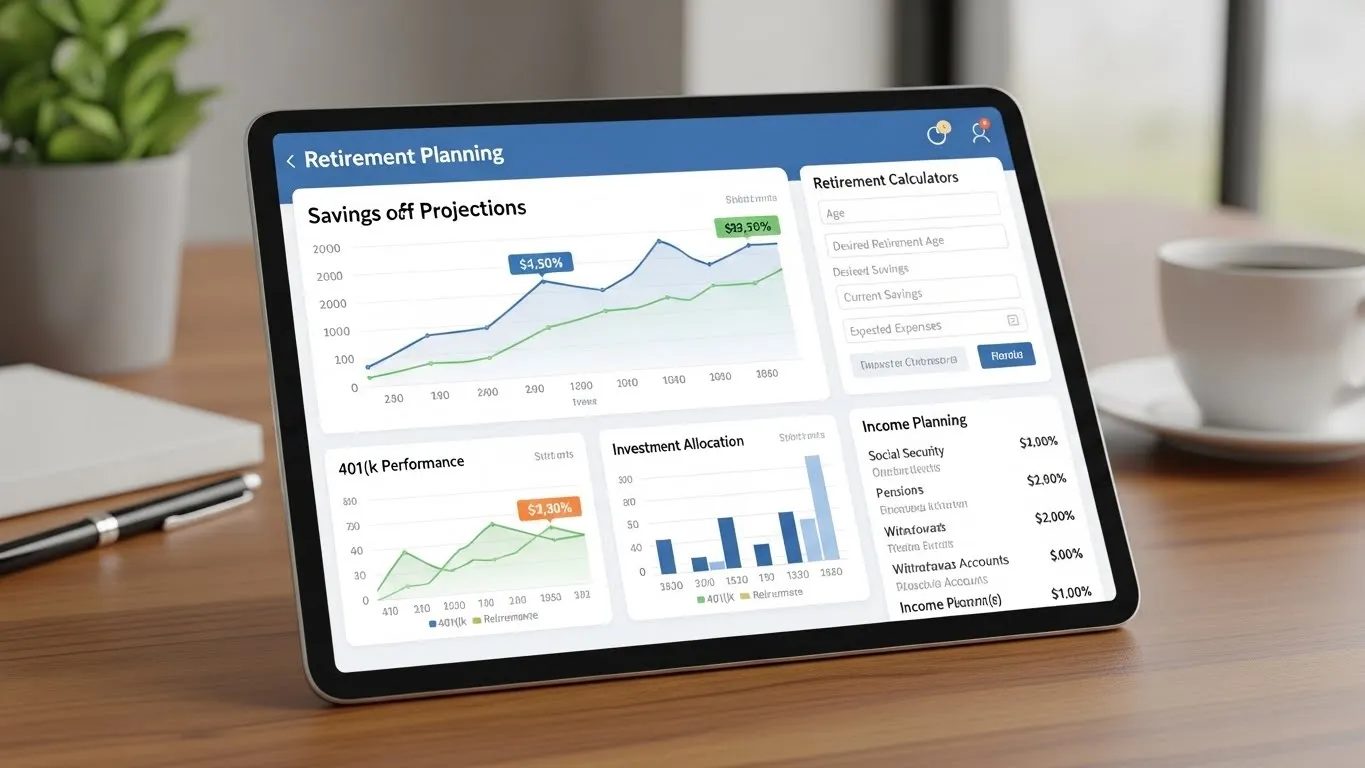
The stock market often appears as a stable, upward-trending entity over the long term, yet it's frequently punctuated by periods of significant turbulence. For many, volatility signals risk and uncertainty, prompting withdrawal or fear. However, for astute investors, these market fluctuations present unique opportunities for growth and portfolio enhancement. This guide delves into advanced investment techniques for profiting from stock market volatility, transforming perceived threats into strategic advantages, especially pertinent for retirement planning and 401(k) growth.
Key Points for Profiting from Volatility:
- Embrace Volatility: View market swings as opportunities, not just risks.
- Strategic Hedging: Utilize options and futures to protect and profit.
- Dynamic Rebalancing: Systematically adjust portfolios to capitalize on price changes.
- Behavioral Edge: Understand market psychology to avoid pitfalls and exploit inefficiencies.
- Data-Driven Decisions: Leverage analytics for informed, timely actions.
Understanding Stock Market Volatility for Retirement Planning
Stock market volatility, characterized by sharp price swings, is an inherent feature of financial markets. While often associated with downturns, it simply refers to the degree of variation of a trading price series over time. For those focused on long-term goals like retirement, understanding volatility is crucial. It directly impacts portfolio value, but also presents windows for strategic entries and exits. Embracing this dynamic is the first step toward profiting from stock market volatility.
Periods of high volatility can test an investor's resolve. However, panic selling during dips can severely undermine retirement savings. Instead, a well-structured approach, integrating advanced investment techniques, allows investors to navigate these periods effectively. By understanding the underlying causes—be it economic data, geopolitical events, or shifts in corporate earnings—investors can better anticipate and respond to market movements, protecting their capital and positioning for future gains.
Advanced Investment Techniques for Leveraging Market Swings
Successfully profiting from stock market volatility requires moving beyond basic buy-and-hold strategies. It involves deploying sophisticated tactics that exploit short-term movements while maintaining a long-term retirement planning perspective. These advanced investment techniques can help diversify risk and enhance returns.
Hedging Strategies with Options and Futures
Options and futures are powerful derivatives that allow investors to speculate on future price movements or protect existing positions. For retirement portfolio management, they can serve as excellent hedging tools.
- Protective Puts: Buying put options can shield a portfolio from significant downside risk. If the market dips, the put option gains value, offsetting losses in the underlying stocks. This acts like an insurance policy.
- Covered Calls: Selling call options against shares you already own can generate income, especially in sideways or moderately rising markets. This strategy allows investors to collect premiums, enhancing overall returns, although it caps potential upside.
- Volatility as an Asset Class: Instruments like VIX (CBOE Volatility Index) futures and ETFs allow direct exposure to market expectations of future volatility. Trading these requires a deep understanding of market sentiment and timing. A differentiated approach involves using complex option spreads such as iron condors or butterflies, which profit from specific ranges of volatility, offering defined risk and reward profiles often overlooked by beginners.
Systematic Rebalancing and Dynamic Asset Allocation
While rebalancing is a fundamental strategy, a systematic and dynamic approach takes it further. This involves regularly adjusting asset allocations based on predefined rules or market conditions, rather than just calendar dates.
- Automated Rebalancing: Setting specific thresholds (e.g., if equities exceed 60% of the portfolio, sell down to 55%) forces a "buy low, sell high" discipline. During volatile periods, this automatically reallocates capital from outperforming assets to underperforming ones, capitalizing on price discrepancies.
- Integrating Macroeconomic Indicators: A truly dynamic approach considers broader economic signals. For instance, if interest rates are rising (as noted by a 2024 analysis from the National Bureau of Economic Research), a portfolio might shift from growth stocks to value stocks or fixed income. AI-driven rebalancing insights, a recent industry trend, are also emerging, using algorithms to predict optimal asset allocation adjustments based on vast datasets and market sentiment. This offers a cutting-edge way to stay ahead of market shifts.
Long/Short Equity and Arbitrage Opportunities
These strategies are typically more complex and often employed by institutional investors, but their principles can inform individual approaches.
- Long/Short Equity: This involves simultaneously buying stocks expected to increase (long) and selling stocks expected to decrease (short). The goal is to profit from the relative performance of stocks, reducing overall market risk. In volatile markets, discerning relative strength and weakness becomes paramount.
- Arbitrage Opportunities: These arise from temporary price discrepancies between identical or similar assets in different markets. While often fleeting, they can offer low-risk profits. Examples include merger arbitrage or convertible bond arbitrage, which capitalize on specific event-driven scenarios.
Leveraging Behavioral Finance Insights
Market volatility is often amplified by human emotion. Understanding behavioral biases can provide a significant edge.
- Avoiding Common Pitfalls: During market downturns, fear often leads to panic selling. Conversely, during euphoric rallies, greed can lead to irrational exuberance. Recognizing these biases in oneself and the broader market is critical for making rational decisions.
- Exploiting Market Inefficiencies: When investors are driven by emotion rather than fundamentals, mispricings occur. A disciplined investor, armed with an understanding of behavioral finance, can identify and exploit these temporary inefficiencies, buying undervalued assets from fearful sellers or selling overvalued assets to greedy buyers. A 2023 study published in the "Journal of Behavioral Finance" highlighted how cognitive biases exacerbate market swings, presenting opportunities for contrarian investors.
Integrating Advanced Techniques into Your Retirement Portfolio
Implementing these advanced investment techniques effectively requires careful consideration of individual risk tolerance, time horizon, and financial goals. For those planning for retirement, the focus should always be on sustainable growth and capital preservation. For more general advice on managing your retirement savings, you can explore resources on retirement planning and 401(k).
- Risk Assessment and Diversification: No advanced technique eliminates risk entirely. A thorough risk assessment is paramount, followed by robust diversification across different asset classes, sectors, and geographies.
- Tax Implications: Derivatives and active trading strategies can have complex tax implications. Consulting with a financial advisor and tax professional is crucial to ensure compliance and optimize after-tax returns, particularly within tax-advantaged accounts like 401(k)s or IRAs.
Case Studies and Expert Perspectives on Volatility
History provides numerous examples of investors successfully profiting from stock market volatility. During the dot-com bust of the early 2000s, investors who hedged their technology heavy portfolios with put options or strategically shorted overvalued companies preserved capital and even generated profits. Similarly, the 2008 financial crisis saw hedge funds employing credit default swaps and sophisticated arbitrage strategies to navigate the turmoil.
According to a 2025 forecast from "Global Market Insights Research", systematic, rules-based strategies that incorporate volatility signals are expected to outperform discretionary trading in increasingly fragmented markets. This aligns with the expert opinion that discipline and a data-driven approach are superior to emotional reactions during periods of market stress. Consider the insights of legendary investor George Soros, who famously stated, "Markets are constantly in a state of uncertainty and flux and money is made by discounting the obvious and betting on the unexpected." Understanding and internalizing this perspective is key for successful navigation. You can learn more about specific hedging strategies in volatile markets by reading this related article: /articles/understanding-volatility-hedging-strategies.
Navigating Modern Market Volatility with Data-Driven Approaches
The modern financial landscape offers unprecedented access to data and analytical tools. Leveraging big data, machine learning, and predictive analytics can significantly enhance an investor's ability to profit from stock market volatility. These tools can identify patterns, forecast potential movements, and help optimize advanced investment techniques. Staying informed about global economic trends, technological advancements, and geopolitical shifts is also crucial for adapting strategies to new market realities.
The financial world is dynamic, and continuous learning is non-negotiable. Whether it's understanding the nuances of algorithmic trading or the impact of central bank policies, an educated investor is a resilient investor. This ongoing commitment to knowledge forms the bedrock of successful long-term investing, especially when integrating new strategies. For those looking to delve deeper into integrating options into their long-term plans, consider this resource: /articles/integrating-options-into-a-retirement-portfolio.
Frequently Asked Questions (FAQ)
Q: Can average investors truly profit from stock market volatility with advanced techniques?
A: While advanced techniques often require more knowledge and active management, average investors can certainly benefit. Starting with simpler hedging strategies like protective puts or covered calls, or implementing systematic rebalancing, can gradually introduce these concepts. Education and professional guidance are key to successfully applying these methods without excessive risk.
Q: What are the main risks associated with employing advanced investment techniques during volatile periods?
A: The primary risks include increased complexity, potential for higher transaction costs, and magnified losses if strategies are misapplied or market movements are contrary to expectations. Derivatives, for instance, carry significant leverage risk. It's crucial to understand each technique thoroughly and only allocate a small portion of your portfolio until proficiency is gained.
Q: How often should I adjust my volatility strategy or rebalance my portfolio?
A: The frequency depends on the specific strategy and your market outlook. Systematic rebalancing typically occurs when asset allocations drift beyond predefined thresholds, which might happen more often during volatile periods. Derivative-based strategies often have shorter time horizons, requiring more frequent monitoring and adjustment. A "set it and forget it" approach rarely works with advanced techniques.
Q: Do these advanced techniques apply to 401(k) or other retirement accounts?
A: Some techniques can be integrated into self-directed retirement accounts like IRAs, which often allow trading options and ETFs. However, 401(k) plans typically have limited investment options, often excluding direct derivatives trading. You might indirectly apply volatility insights by strategically allocating between available fund options or using ETFs that mimic these strategies within your 401(k), often requiring careful planning.
Conclusion & Next Steps
Profiting from stock market volatility is not about avoiding market swings; it's about strategically leveraging them. By understanding and deploying advanced investment techniques such as hedging with derivatives, dynamic rebalancing, and applying behavioral finance insights, investors can transform periods of uncertainty into opportunities for significant portfolio growth. This disciplined approach is particularly valuable for those focused on long-term goals like retirement planning and 401(k) growth, ensuring resilience and enhanced returns.
Ready to enhance your investment strategy? Consider consulting a qualified financial advisor to discuss how these advanced techniques can be tailored to your unique financial situation and risk tolerance. We encourage you to share your thoughts in the comments below, or subscribe to our newsletter for more insights into navigating complex financial markets.
Extended Reading & Future Topics:
- Algorithmic Trading Strategies: Exploring automated systems for executing volatility-based trades.
- Global Macro Investing: Analyzing the impact of international economic trends on market volatility.
- Tax-Efficient Derivative Trading: Advanced strategies for minimizing tax liabilities when using options and futures.